MSDS
Review the Material Safety Data Sheet (MSDS).
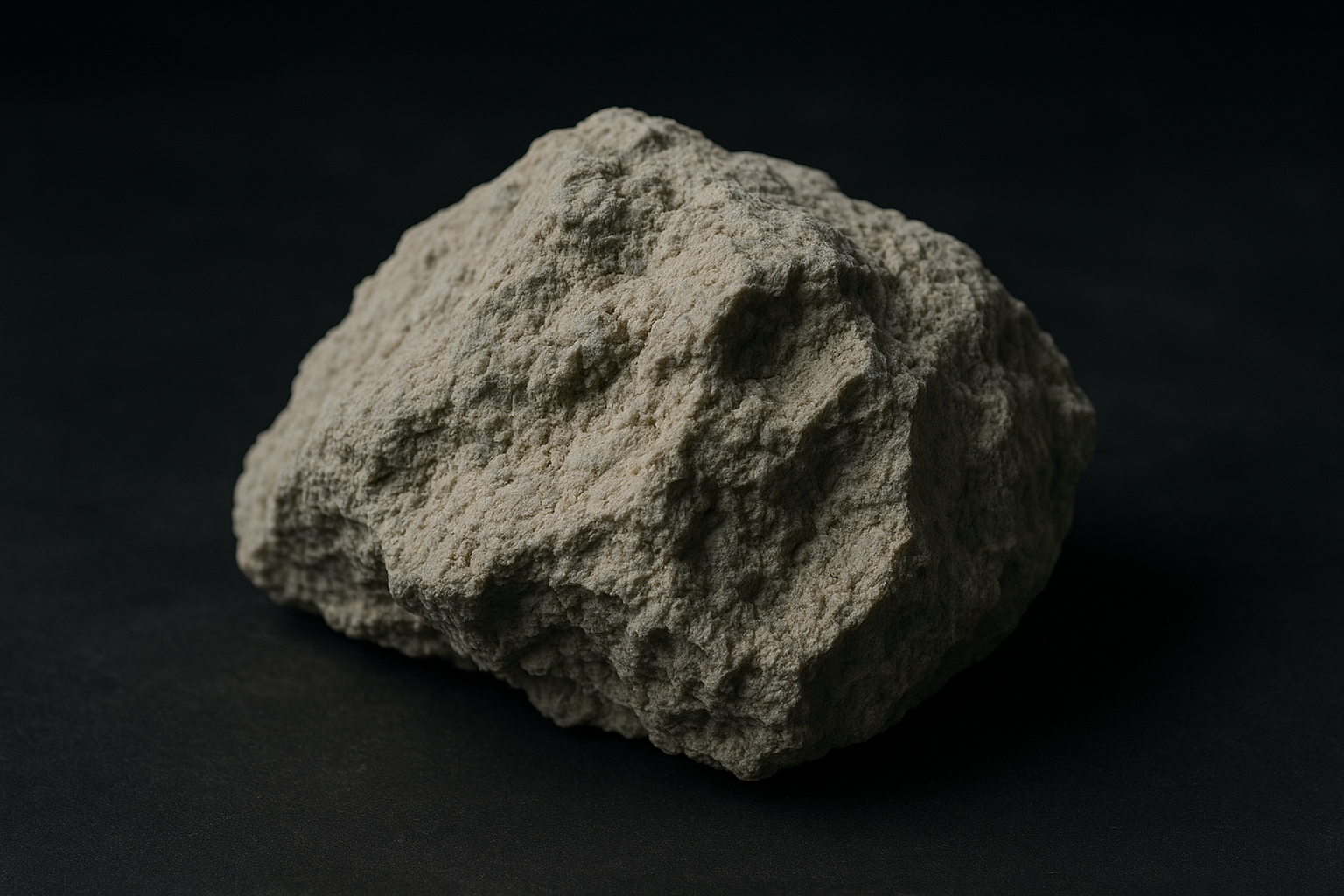
MSDS / SDS — Safety Data Sheet Summary and Guidance
When applying zeolite in the field, it is important to first verify safe handling procedures as well as the product's performance. The MSDS (Safety Data Sheet) is the most fundamental document for confirming a product's basic identification information, composition, handling and storage procedures, response to exposure, personal protective equipment requirements, and transport and disposal considerations.
KMIZEOLITE maintains this page for customers who need SDS-based safety information among the KMIZEOLITE technical resources.
MSDS Key Information Summary
The following is a summary of the main SDS items for KMI natural clinoptilolite zeolite. For actual field application, please refer to the latest original SDS.
Product Identification
| Item | Details |
|---|---|
| Product Name | Zeolites (Natural Clinoptilolite) |
| Chemical Name | Zeolites |
| Chemical Family | Zeolites |
| Molecular Formula | Na₆[Al₆Si₃₀O₇₂]·24H₂O |
| CAS No. | 1318-02-1 |
| EC No. | 215-283-8 |
| Manufacturer | KMIZEOLITE (Zeolite Minerals International) |
| Mine Location | Amargosa Valley, Nevada, USA |
Composition (Chemical Analysis)
| Component | Formula | Content |
|---|---|---|
| Silicon Dioxide | SiO₂ | 66.7% |
| Aluminum Oxide | Al₂O₃ | 11.48% |
| Potassium Oxide | K₂O | 3.42% |
| Sodium Oxide | Na₂O | 1.8% |
| Calcium Oxide | CaO | 1.33% |
| Iron Oxide | Fe₂O₃ | 0.9% |
| Magnesium Oxide | MgO | 0.27% |
| Titanium Dioxide | TiO₂ | 0.13% |
| Manganese Oxide | MnO | 0.025% |
The main constituents are a natural aluminosilicate based on silicon (Si) and aluminum (Al). No heavy metals or toxic substances are present in the principal components.
Hazard Classification
- GHS Classification: Caution against inhalation in dust form (mineral dust)
- Primary Hazard: Possible dust inhalation when handling fine powder
- Skin/Eye Irritation: Possible mechanical irritation (on powder contact)
- Chronic Toxicity: Not applicable (natural mineral, EN-71-3 PASS, Prop 65 compliant)
- Flammability: Not applicable (inorganic mineral)
- Explosiveness: Not applicable
Handling and Storage Precautions
| Category | Recommendation |
|---|---|
| Handling | Minimize dust generation, ensure adequate ventilation |
| Protective Equipment | Dust mask (P2 or higher), safety goggles, work gloves |
| Storage | Dry location; prevent moisture, contamination, and mixing; store sealed |
| Incompatible Materials | Avoid prolonged contact with strong acids and strong alkalis |
First Aid Measures
| Exposure Route | Response |
|---|---|
| Eye Contact | Rinse with clean water for at least 15 minutes; seek medical attention if irritation persists |
| Skin Contact | Wash with soap and water |
| Inhalation | Move to fresh air; seek medical attention if breathing is difficult |
| Ingestion | Rinse mouth with water; seek medical attention if symptoms occur (FDA GRAS substance, but industrial grade) |
Transport and Disposal
| Item | Details |
|---|---|
| UN Number | Not applicable (not a dangerous good) |
| Transport Classification | Non-hazardous |
| Disposal | In original condition before use: can be disposed of as general inorganic waste |
| Disposal After Contamination | Separate disposal criteria apply depending on the type of adsorbed substances |
TSCA Status
- Compliant with the Toxic Substances Control Act (TSCA)
- No components listed
How to Use This Page
- Use for internal review prior to purchase
- Use to respond to requests for safety management documents
- Use as reference material for submission to clients
- Review as baseline material before preparing in-house work standards
Related Pages
- TDS / Technical Data — Detailed physical property data
- Certifications, Registrations & Designations — EN-71-3, GRAS, OMRI details
- Mesh Size Chart — Specifications by particle size
Notice
This page is a summary guide intended to aid understanding of KMIZEOLITE-related MSDS/SDS materials. For actual submission or field application, please refer to the latest version of the original SDS document. Additional documentation may be required depending on national regulations, workplace standards, and application-specific rules.