Purity and CEC Properties
An explanation of core properties including 97% purity and Cation Exchange Capacity (CEC).
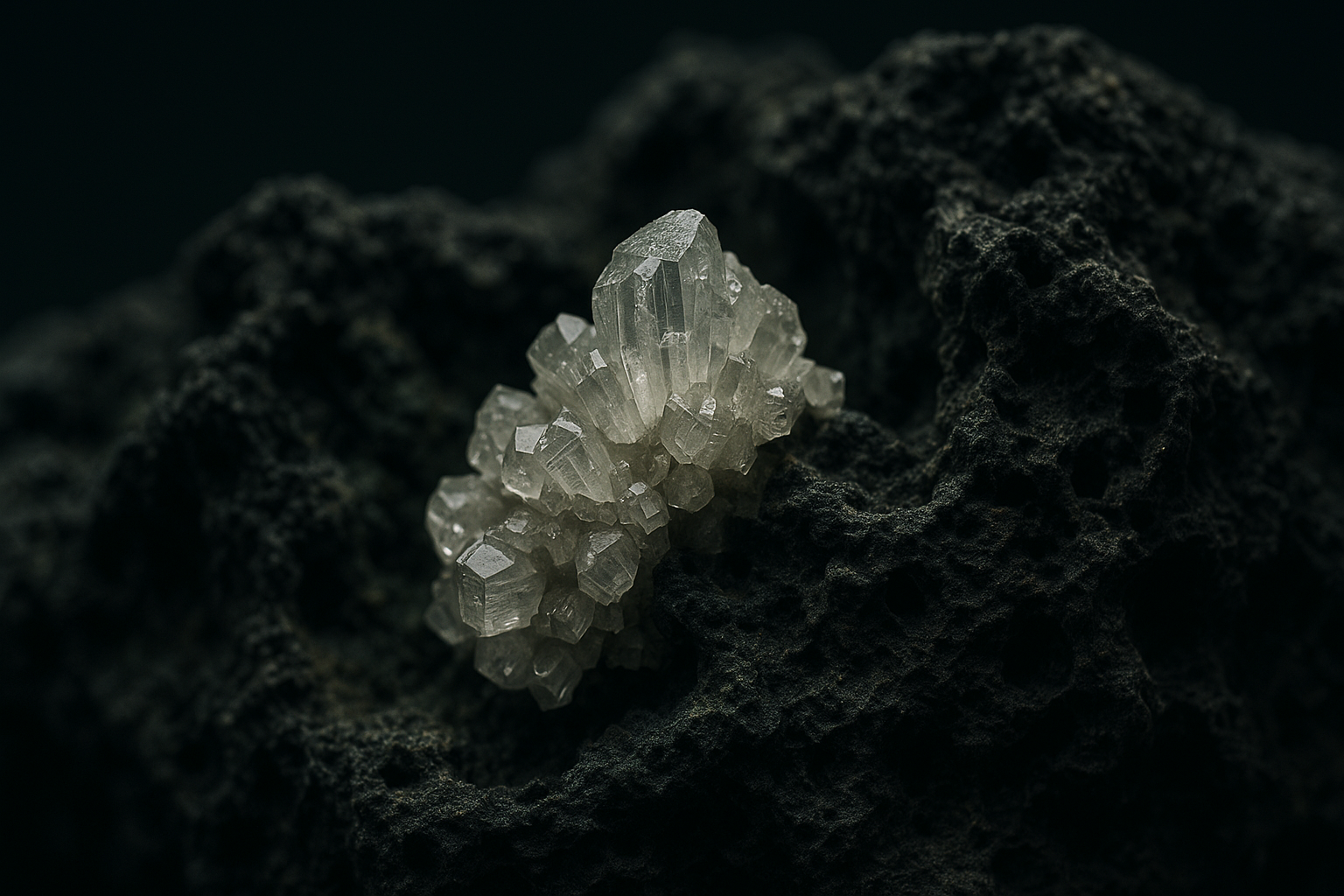
Purity and CEC Properties — The Core Technical Data for Selecting a Zeolite
When evaluating zeolite, many people first ask "where is it used?" In real-world applications, however, the more important question is what properties does this zeolite have? Even among zeolites of the same type, application results can vary depending on the mineral type, purity, particle size, pore structure, hardness, surface area, and cation exchange capacity. This page focuses on KMIZEOLITE's core property data to explain in detail why purity and CEC matter and which values you should verify.
What Is Purity, and Why Does It Matter?
The purity referred to here means the proportion of clinoptilolite contained in the zeolite raw material. KMIZEOLITE's published product data sheet lists Clinoptilolite Content 97%+. This is a key figure demonstrating that the main component is centered on high-purity clinoptilolite.
The purity of natural zeolite available on the market varies widely, from 50% to 97%. Lower-purity zeolite contains substantial amounts of non-zeolite minerals such as quartz, feldspar, and clay, which can degrade the expected adsorption and ion exchange performance.
The specific reasons purity matters are as follows.
- Performance reproducibility: The higher the purity, the smaller the property variation between batches, and the higher the reproducibility of expected performance
- Application efficiency: More active component works per unit of input, improving material efficiency
- Reduced impurity variables: The risk of side effects caused by unnecessary minerals (sudden pH changes, dust generation, etc.) is reduced
- Data-based review: Clear purity makes it possible to predict dosage and replacement cycles during process design
What Is CEC, and How Is It Used?
CEC stands for Cation Exchange Capacity, a numerical expression of zeolite's ability to exchange cations within its internal structure. The KMI published data sheet lists a CEC of 1.6–2.0 meq/g.
How CEC Works
Cations such as Na⁺, K⁺, and Ca²⁺ exist within the zeolite lattice structure. These cations can spontaneously exchange with other cations in the environment (particularly NH₄⁺, Pb²⁺, Cu²⁺, etc.). This exchange process is the core mechanism behind zeolite's adsorption, purification, and nutrient retention functions.
Application Areas Where CEC Is Especially Important
| Application Area | Purpose of CEC | Primary Target Ions |
|---|---|---|
| Water treatment | Reduction of ammoniacal nitrogen | NH₄⁺ |
| Environmental remediation | Adsorption of heavy metal ions | Pb²⁺, Cu²⁺, Cd²⁺, Zn²⁺ |
| Livestock | Ammonia reduction in bedding/manure | NH₄⁺ |
| Agriculture | Nutrient retention and slow release | K⁺, NH₄⁺ |
| Biogas | Ammonium reduction during the process | NH₄⁺ |
However, actual performance can vary depending on the target substance, concentration, contact time, flow rate, particle size, replacement cycle, and process design, so results should not be determined from the CEC value alone.
KMIZEOLITE Core Properties Table
Below is a summary of the complete property data that can be verified from KMI's published materials.
Physical Properties
| Item | Value | Meaning |
|---|---|---|
| Clinoptilolite content | 97%+ | Proportion of high-purity active component |
| Cation Exchange Capacity (CEC) | 1.6–2.0 meq/g | Ion exchange capability |
| Pore diameter | 4.0–7.0 Å | Molecular size selectivity |
| Specific gravity | 1.89 | Material density |
| Specific surface area | 40.0 m²/g | Available adsorption area |
| Bulk density | 720–865 kg/m³ | Packed-bed design basis |
| pH stability range | 3.0–10.0 | Applicable environmental range |
| Hardness | 4.0–5.0 Mohs | Physical durability |
| Moisture content | Max. 10% | Storage/transport basis |
| Swelling index | Nil (none) | Stability within the process |
| Appearance | Granules and powder | Product form |
Chemical Composition Analysis
| Component | Chemical Formula | Content |
|---|---|---|
| Silicon dioxide | SiO₂ | 66.7% |
| Aluminum oxide | Al₂O₃ | 11.48% |
| Potassium oxide | K₂O | 3.42% |
| Sodium oxide | Na₂O | 1.8% |
| Calcium oxide | CaO | 1.33% |
| Iron oxide | Fe₂O₃ | 0.9% |
| Magnesium oxide | MgO | 0.27% |
| Titanium dioxide | TiO₂ | 0.13% |
| Manganese oxide | MnO | 0.025% |
This chemical composition data corresponds to a typical high-silica clinoptilolite composition, in which SiO₂ accounts for about two-thirds of the total and Al₂O₃ makes up about 11.5%. A high SiO₂/Al₂O₃ ratio suggests excellent thermal stability and acid resistance.
How Property Data Connects to Application Decisions
Assessing Application Stability
In environments where the material is used repeatedly—such as filter media, adsorbents, and soil amendments—particle-size retention, hardness (4.0–5.0 Mohs), and pH stability (3.0–10.0) are important. The fact that KMIZEOLITE's swelling index is Nil means it can operate stably without physical expansion even in aqueous environments.
Assessing Process Suitability
Product selection criteria differ depending on whether powder is required (100 mesh or finer, <150μm), fine granules are required (30×50 mesh, 0.3–0.6mm), or coarse granules are required (4×8 mesh, 2.4–4.8mm). Bulk density (720–865 kg/m³) is the basic data needed for packed-bed design and shipping cost calculations.
Performance Expectations by Use
Ammonium, odor, moisture, heavy metals, and soil nutrient management must each be reviewed under different conditions, so the properties table serves as the first reference for assessing applicability. More detailed application data can be found on the Technical Data Sheet (TDS) page.
The Property Review Order KMIZEOLITE Recommends
When reviewing zeolite on a data-driven basis, we recommend the following order.
- Confirm mine origin — KMI Mine and Origin
- Confirm clinoptilolite purity — whether it is 97% or higher
- Confirm CEC data — the 1.6–2.0 meq/g range
- Confirm particle size and product form — Products page
- Review technical data suited to the application purpose — TDS page
- Full application after sample testing — Sample Request
Notes
Purity and CEC are very important criteria in selecting a zeolite, but they alone do not guarantee all application results. Actual applicability can vary depending on process conditions and the target environment, so it is advisable to review the technical data and usage conditions together before adoption.
In addition, KMI separately states that its zeolite is not handled or processed for human-use purposes, so any decisions regarding human application require separate regulatory review. All figures on this page are based on KMI's published data sheet and do not guarantee performance in any specific use.
Inquiries and Sample Requests
If you have additional questions about the property data or would like to review a product suited to a specific use, please contact us through the links below. Let us know your intended use, and we will recommend the appropriate particle size and technical data.