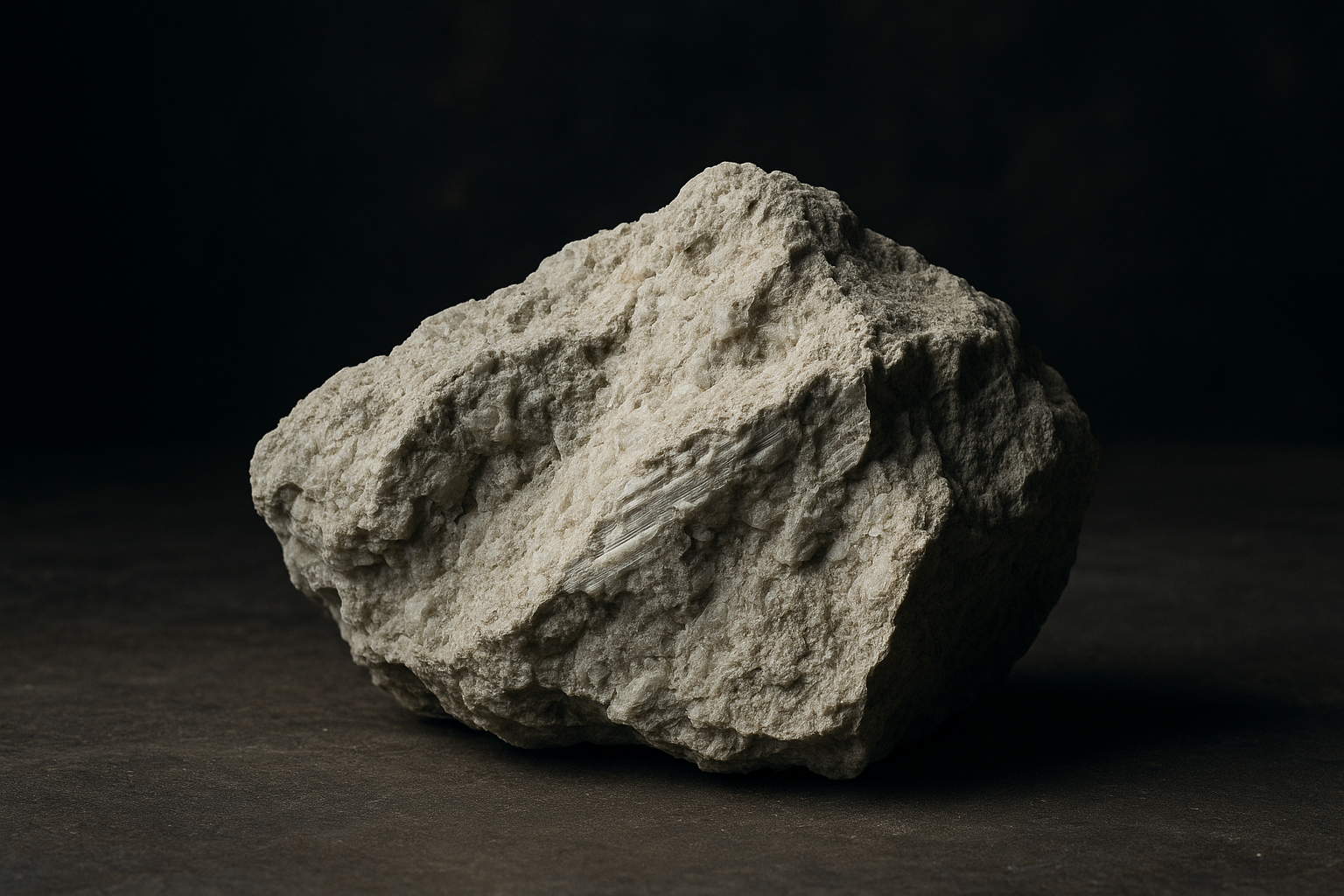
US Zeolite Mine Features and Applications
US zeolite boasts world-class purity and is used across a wide range of industrial fields. In this article, we will explore the features of US zeolite, its formation process, and its applications.
High-Purity Zeolite
US zeolite boasts a purity of 97%, which is exceptionally high compared to zeolite from other countries. This high purity helps maximize the various functional properties of zeolite. KMIZEOLITE, a leading producer, supplies such high-purity products, which are particularly popular in the environmental remediation and agricultural sectors.
Formation Process and Structural Features
Zeolite is an aluminosilicate mineral formed through the diagenetic alteration of volcanic ash. Its structure has a pore size of 0.3 to 1.0 nm, and this porous structure enables ion exchange and adsorption functions. Thanks to these structural features, zeolite demonstrates excellent capability in removing ammonia and heavy metals (nickel, copper, lead, cadmium).
Diverse Industrial Applications
Owing to its distinctive porous structure, zeolite is used across various industries. In agriculture in particular, it is used to improve soil and enhance fertilizer efficiency. In the field of environmental remediation, it is effective for treating radioactive materials and removing heavy metals, and it is also utilized in biogas production. The cation exchange capacity (CEC) of zeolite is 200 to 400 cmol+/kg, which is more than twice that of bentonite.
Internal Links
Functional Properties of Zeolite
Zeolite delivers outstanding performance in adsorption. It can adsorb 90 to 95% of nitrogen, phosphate, and potassium, and can absorb water up to 20 times its weight. It also plays an important role in retarding the migration of radioactive nuclides (Cs, Sr, Ba).
FAQ
-
What are the main features of US zeolite? US zeolite offers a high purity of 97% along with excellent ion exchange, adsorption, and catalytic properties.
-
What are the main uses of zeolite? Zeolite is widely used in agriculture, environmental remediation, and industrial fields.
-
How is zeolite formed? Zeolite is formed when volcanic ash undergoes diagenetic alteration.
-
What is the adsorption capacity of zeolite? Zeolite can adsorb 90 to 95% of nitrogen, phosphate, and potassium, and can absorb water up to 20 times its weight.
-
How does zeolite contribute to environmental protection? Zeolite contributes to environmental remediation by removing ammonia, heavy metals, and radioactive substances.